Orkney and Shetland Network
The latest news from our Orkney and Shetland Network.
Award Winners in Action – Shetland
One of our Award Assessors and Eco-Congregation Scotland Trustees, Sarah Young, reflects on her recent trip to Shetland where she was able to meet with two of our award winners.
The importance of building strong, positive relationships on a secure and solid foundation was the theme of the service I attended at St Magnus’ Episcopalian Church in Lerwick, last month.
This Bronze Award Congregation were warmly welcoming and immediately pointed out their plaque, prominently displayed in the Sanctuary. Environmental and social justice issues were woven into the service referencing transport (recent considerations of locations for essential meetings of scattered people across Shetland); networking & sharing resources; meeting community needs; celebrating what they have; international concerns in prayers and acknowledging many of the environmental challenges faced by everyone but also of their location.
Afterwards, I was shown the new and successful book exchange set up by a younger member of the congregation, many of the activities referenced in their original application and the continuing progress towards Silver.
I don’t know which of us was more excited, inspired and encouraged by this visit but it was good to share.
Two days later, I was invited to meet Bev & Dave, Ministers in the Salvation Army who are planting a community church in Cunningsburgh, also a Bronze Award congregation on Shetland.
Soon after they arrived in Shetland, after a disastrous end to initial attempts to grow produce and a prayer walk asking for guidance, a local Crofter & his wife knocked on their door and donated a new Polycrub with the offer of erecting it on a piece of their land. Now Dave & Bev are generating produce, making connections and have 2 more Polycrubs. One provides a warm space for people to come reflect, pray and pause for a while, and the other is a children’s play area. Their wee shed is an expansion and continuation of a growing Shetland tradition of honesty fridges as well as a source of tinned food, books and more.
Prayer and worship underpin this diverse and dynamic congregation demonstrating the love of God and challenging isolation through environmental and just actions, inviting responses, partnership & involvement from everyone of this Island community. They are surrounded by the beauty and immersed in the challenges of creation; connected with God, people and the earth and, are providing modern solutions to age old challenges.
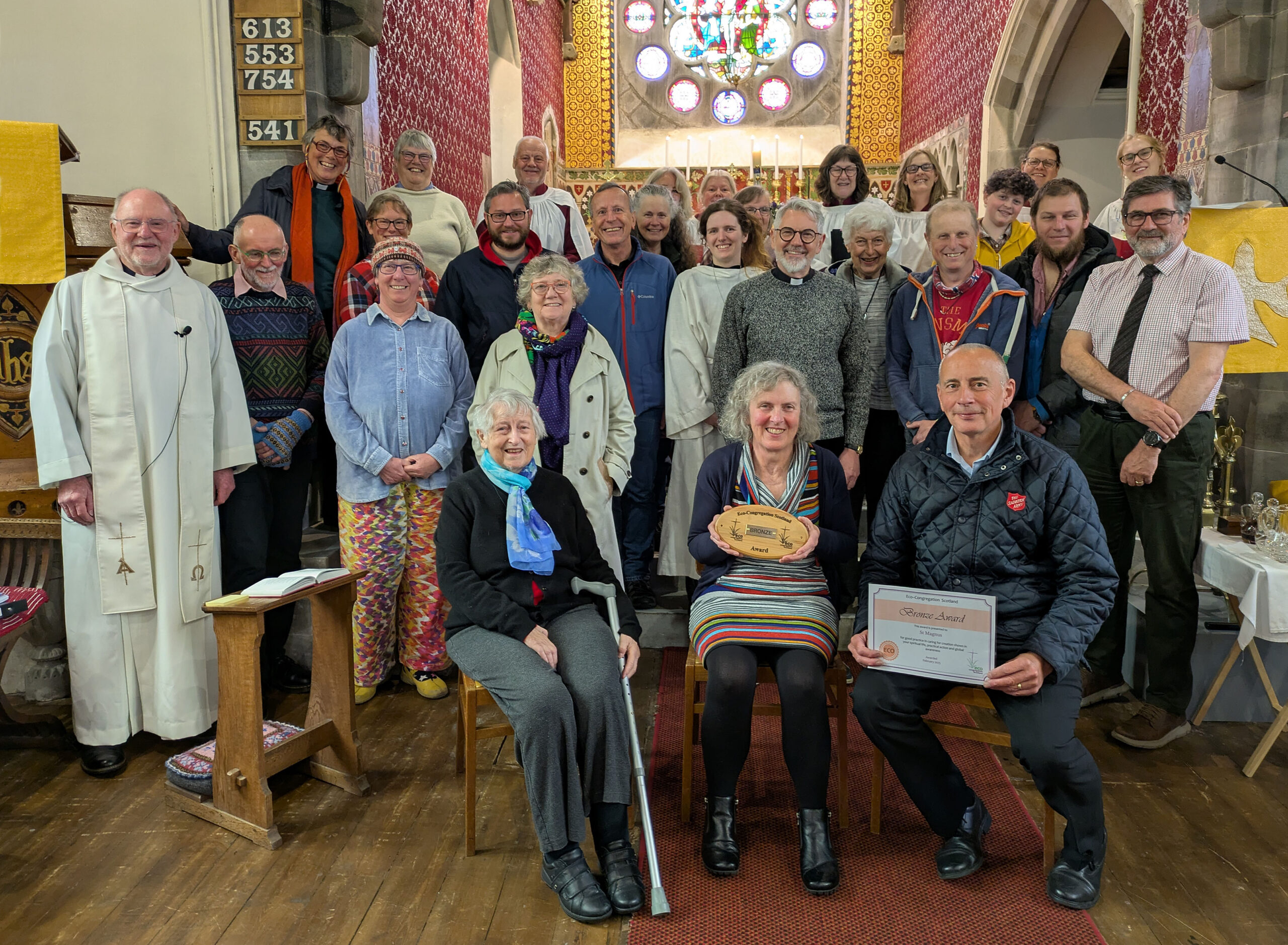
St Magnus Bronze Award Presentation (2025)
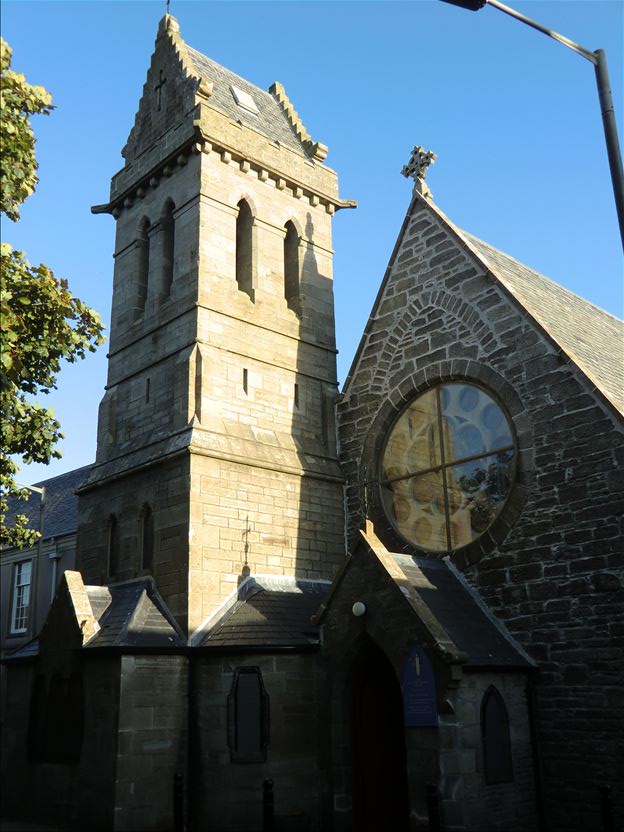
St Magnus Lerwick
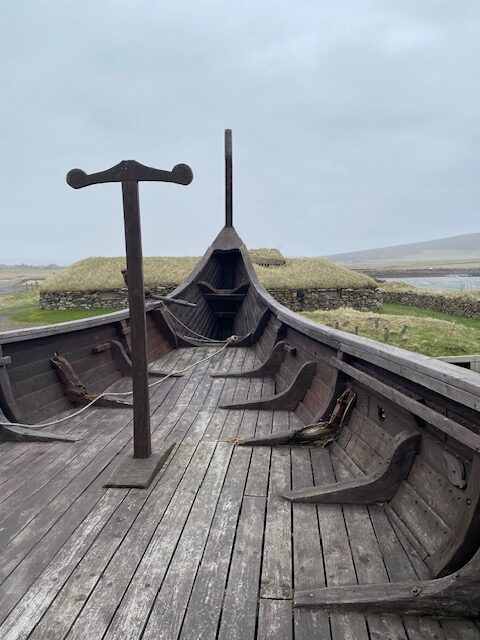
Haroldswick
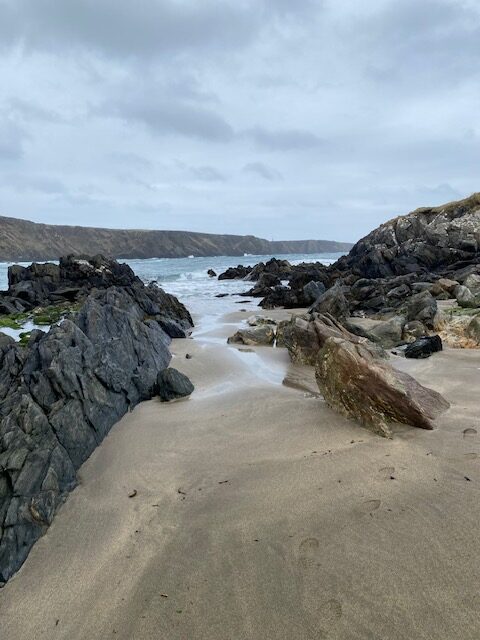
Norwick Beach ophiolite
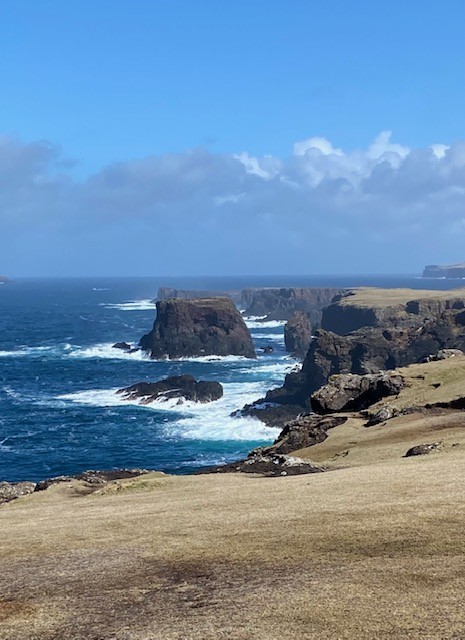
Eshaness Shetland
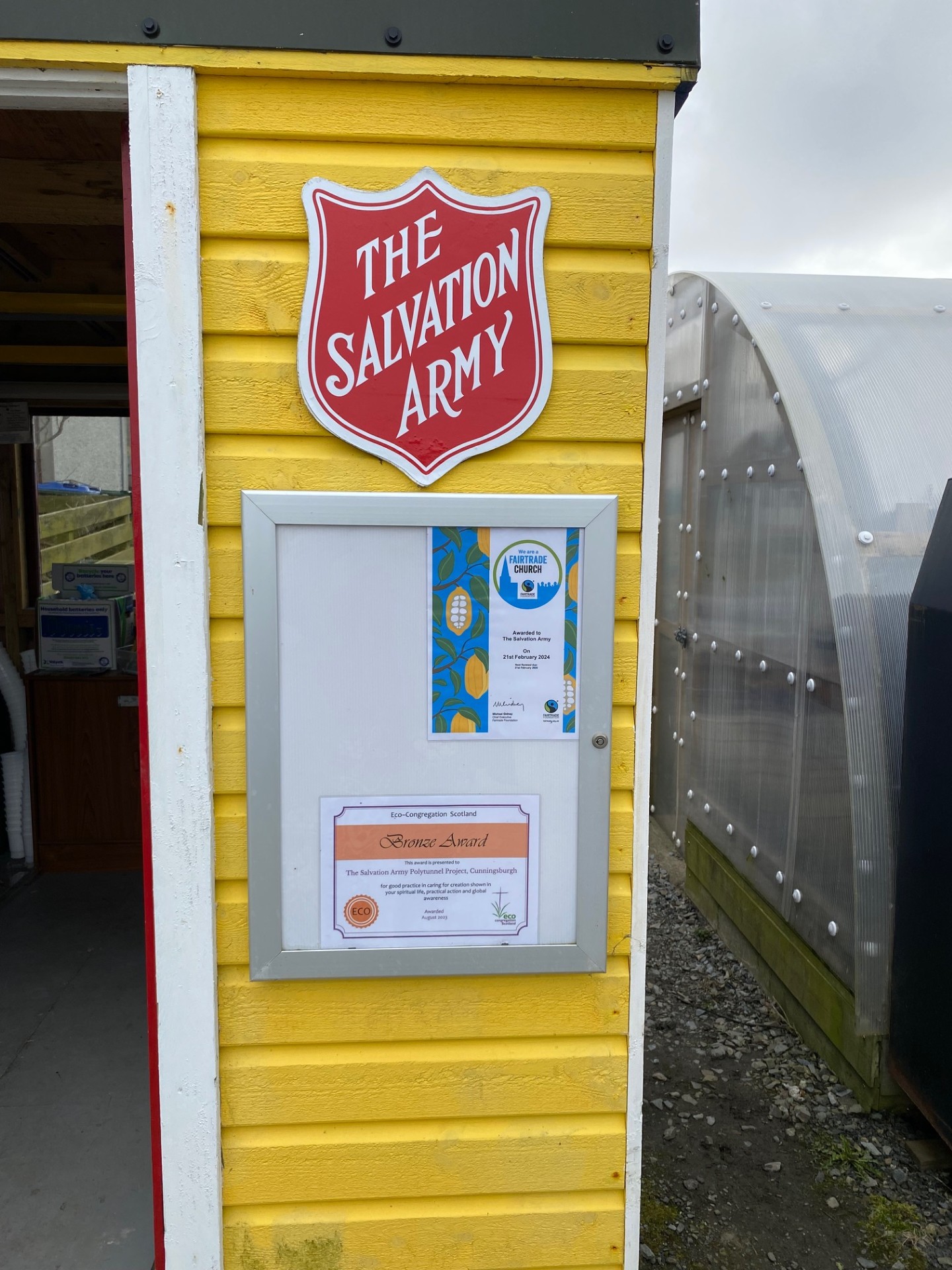
Salvation Army Bronze Award
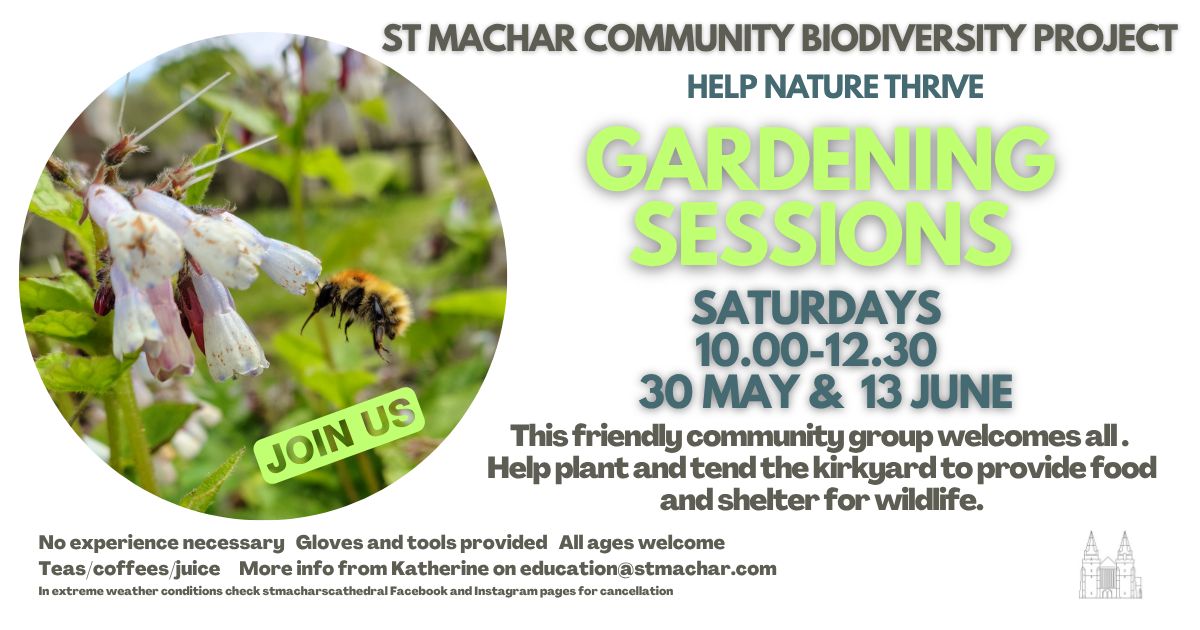
Kirkyard Gardening Event
As part of the Great Big Green Week St Machar Cathedral, Aberdeen, invite you to their Kirkyard Gardening Event on 13th June.

Green Ticket Scheme – St Andrew’s
St Andrew’s Episcopal Church in St Andrew’s share a video on their Green Ticket Scheme.
Read more about the scheme here.
Home Energy Scotland Community Support
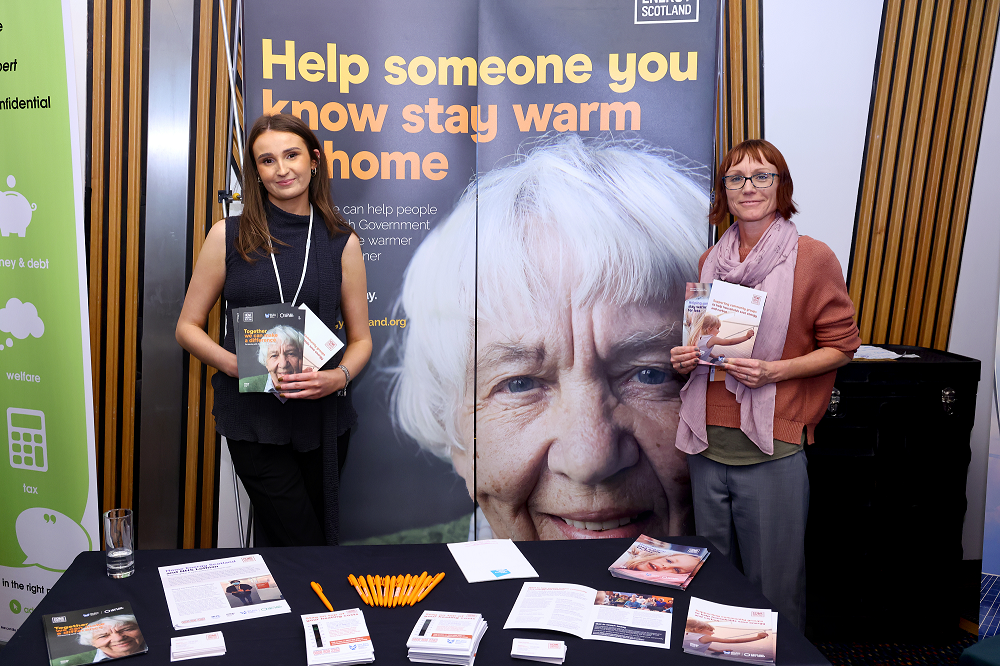

– Thanks to Home Energy Scotland for this week’s guest blog –
How Home Energy Scotland can help communities cut their energy costs and carbon emissions
With the cost of living still high across Scotland, many communities are looking for practical ways to reduce bills and cut their carbon emissions. For churches and community groups, this often means finding trusted sources of advice that can make a real difference locally. Home Energy Scotland can help you support your congregation and wider community.
Funded by the Scottish Government and managed by Energy Saving Trust, Home Energy Scotland provides free, impartial advice to people across Scotland. Through a network of regional advice centres, expert advisors offer tailored guidance on energy efficiency, saving energy at home, renewable technologies and water use – helping people stay comfortable at home while reducing their environmental impact.
Supporting individuals and households
Home Energy Scotland offers personalised advice to help people make informed decisions about their energy use. Advisors provide free guidance based on each person’s circumstances, helping them identify changes that can make the biggest difference.
The service is inclusive and accessible, with interpretation and translation available. There is also a strong focus on reaching people who may otherwise find it difficult to get help. These householders can receive additional support from Energycarers, either by phone or through a home visit. Energycarers can help with accessing funding, understanding energy bills and managing wider challenges linked to energy costs.
Supporting churches and community groups
Home Energy Scotland works with a wide range of community organisations – including Dundee International Women’s Centre, East Ayrshire Women’s Aid, and Greener Kirkcaldy – to help support people in their communities.
Referral portal
You can refer individuals directly through a secure online referral portal, making it easier to connect people with the right advice. This can be particularly valuable when community leaders are working with people facing financial pressure or other challenges.
Workshops and advice sessions
You can also arrange workshops, talks or advice sessions for your congregation or wider community. These can be tailored to your setting and delivered as part of existing activities or events. Topics might include reducing energy use at home, improving heating or finding available funding.
Outreach advisors
Home Energy Scotland outreach advisors can attend community events, host drop-in sessions or provide information stands, helping to make energy advice more visible and accessible in trusted local spaces.
You can explore case studies on the Home Energy Scotland website to see how households and communities have been supported across Scotland.
Building knowledge and sharing resources
Training is available for staff and volunteers, helping you feel more confident talking about energy and signposting people to appropriate services.
A range of resources is also available, including leaflets and digital content that can be shared through newsletters, noticeboards or community channels. You might include Home Energy Scotland information in regular communications or share case studies to raise awareness.
Home Energy Scotland can also help if you are developing a project. This can include guidance on project planning, access to community insights and help identifying relevant funding opportunities.
Working together
By connecting with Home Energy Scotland, you can strengthen the help you offer in your community – linking people to practical advice to reduce bills, improve comfort and lower carbon emissions.
There are simple ways to get involved, whether that’s hosting a workshop, sharing information or making a referral. Small actions can make a meaningful difference, particularly for those most affected by rising energy costs, and can help build lasting resilience within your community.
To find out more or explore partnership opportunities, visit Home Energy Scotland or get in touch with your local Home Energy Scotland advice centre.
The Big Butterfly Count 2026
The Big Butterfly Count is a butterfly survey that takes place every summer across the UK. It’s open to anyone and easy to take part.
You simply use an identification sheet or app and note how many of each type you see in 15 minutes. Then you submit your results to the Big Butterfly Count website. Each count is just 15 minutes, but you can do it as many times as you like. This means you can do it with different people and in different places; for example, with family or friends or in your church grounds.
Everyone’s results are added anonymously to a map on the website. The results show whether butterfly numbers have gone up or down since last year. If they’ve gone down, then butterflies need our help. The number of most species of butterfly in the UK has gone down significantly since the 1970s. In fact, some butterflies are now at risk of extinction. So butterflies really need our help.
But we also need butterflies, because they pollinate our plants, which give us food like apples. They are also really beautiful, with exquisite designs and vivid colours, part of God’s creation.
This year’s Big Butterfly Count will run from 17 July to 9 August. You can take part anywhere in the UK, whether you are at home or away.
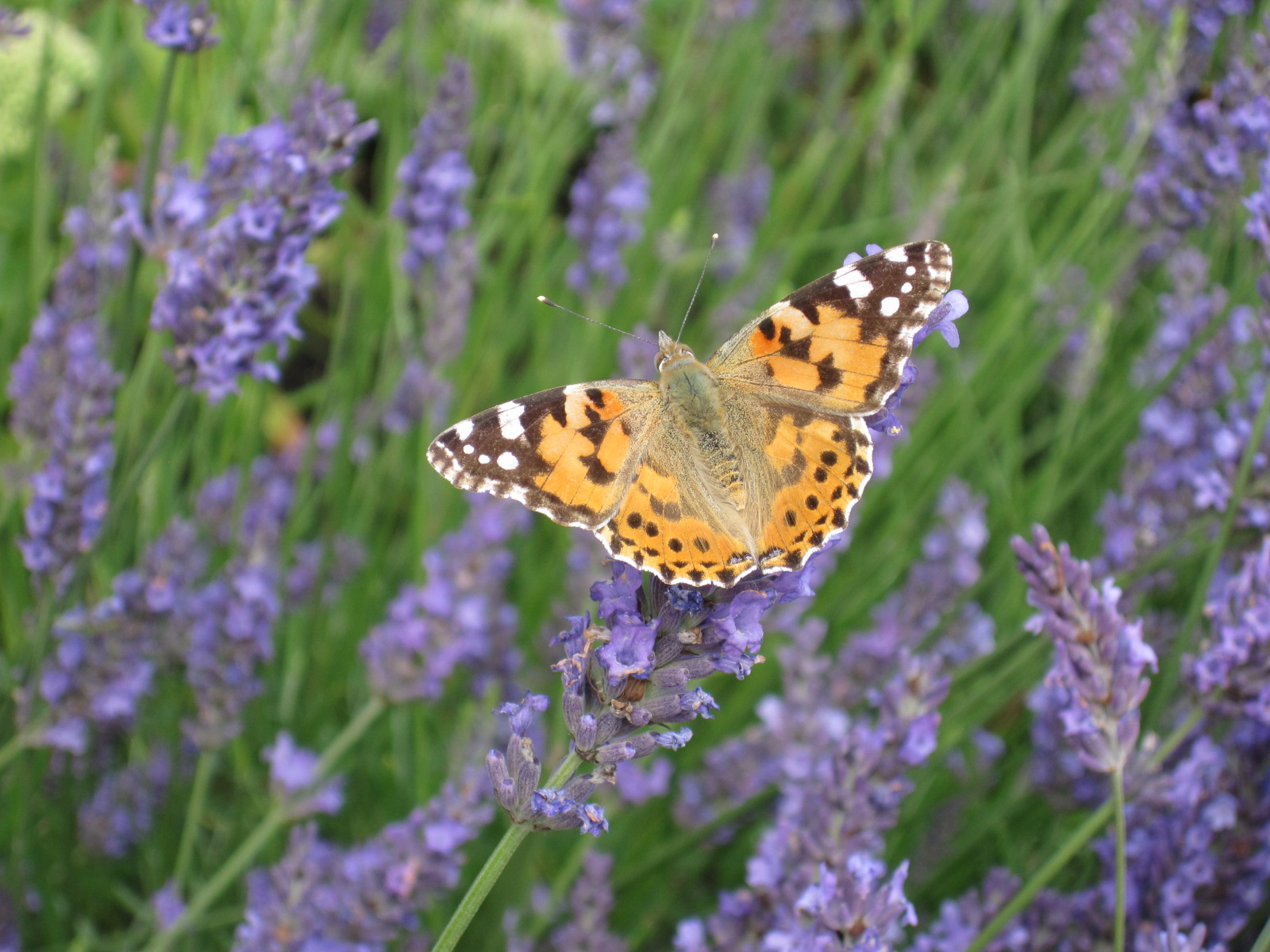
Painted Lady Butterfly, Edinburgh
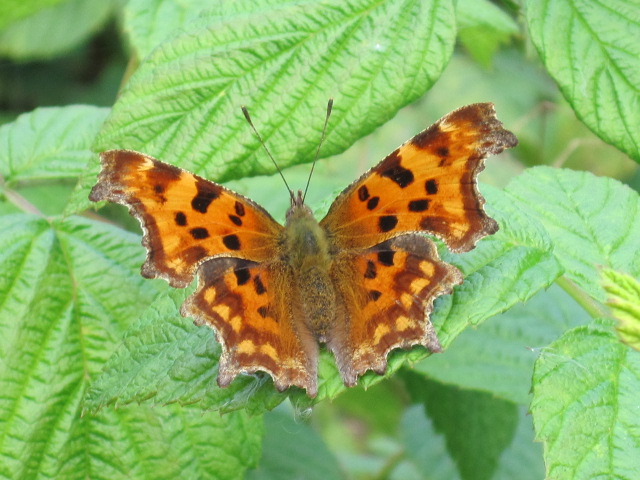
Comma Butterfly
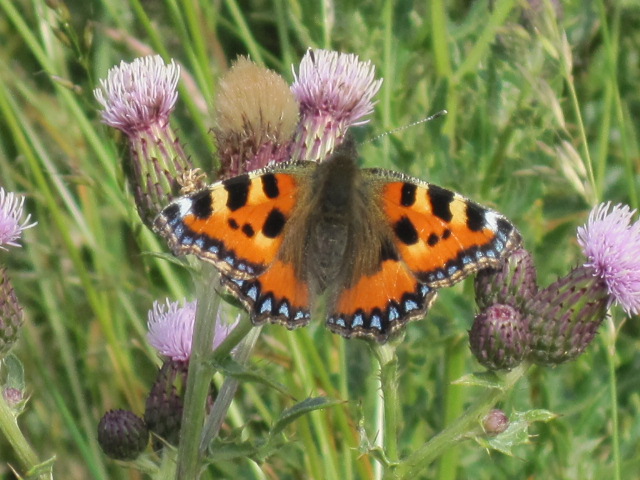
Small Tortoiseshell Butterfly
Post and images submitted by an Eco-Congregation member from Edinburgh and West Lothian.
As Snakes and Doves
Tune : whatever fits to 8787, though Domiunus Regit Me ( often The King of Love my Shepherd is) is a good start
New Hymn 2016 as snakes and doves
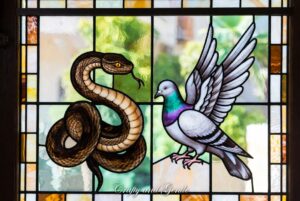
- As snakes and doves we bring good news
As sheep to wolves we’re wary
with eyes wide open, reading signs
of sky and soil: God’s glory!
2)As oxen strong we claim reward
as ravens, we are worthy
with wildlife in a desert home
we’re guests in need of mercy
3) As birds delighting in the trees
as trees whose fruit feeds many
Good News for all the Earth we bring
the Risen Christ is ready…
4) To honour us with bread and wine
to live a life of welcome
to shape a place for refugees
to grant the poor the Kingdom!
David Coleman, 2026 – free for devotional use.
New Blog: Butianity

BUTIANITY
“BUT” – the watchword of popular faith in our day. This is the madness of the third decade…. at the stage when we can see that efforts for transition really do have an effect…. to the extent that the downwardly revised worst case scenario [RCP 8.5/SSP5-8, if you want to look it up ] is gleefully seized upon as a weapon for the still entirely deadly lie that “everything’s going to be all right anyway” and that efforts to live differently are pointless. How close it is to the strange cult of “God’s in charge, so we don’t need to bother with climate change”
The layers of irony pile up. It’s capitalism, eager for profit, that is now driving transition, rather than any morality or concern of governments, and the capitalist incompetence of climate deniers in this respect is a major factor in geopolitical shifts before our eyes. Fossil fuels are already the losing side, but still happy to drag life on Earth down with us. Nature loss, even in a censored UK government document, remains a national security threat to food systems, health and economy. BUT…
As for our own societies, the old “I’m not a racist BUT…” attitudes have a twin in the “I care for the planet BUT…” even a UK government which finally and wisely ( put out the flags and write congratulations) draws a line under new North Sea oil, nonetheless pushes for further capacity for air travel.
And the aggressive men – always men, thus far – who bluster and berate about “China” are like murderers who have been convinced that, because Jack the Ripper and Harold Shipman have a higher body count, it’s OK to murder just a few.
In Mission terms, I can’t see much progress yet beyond John the Baptist’s efforts to persuade those baptised, genuinely to “do less harm”. Few institutions who initially backed some sort of ‘Net-Zero target had any idea how stringent that could be. But the direction of travel remains far more valuable than the discouragement of targets whose missing you can use as an excuse to rein back.
Is that, realistically, the most we can aspire to, for now? So that our small, but valuable efforts and changes are not undermined by not ‘saving the planet’ in snap of fingers? Or is even that a branch of BUTianity?
Yes, we put our trust in BUT…. I wonder what Christ makes of us?
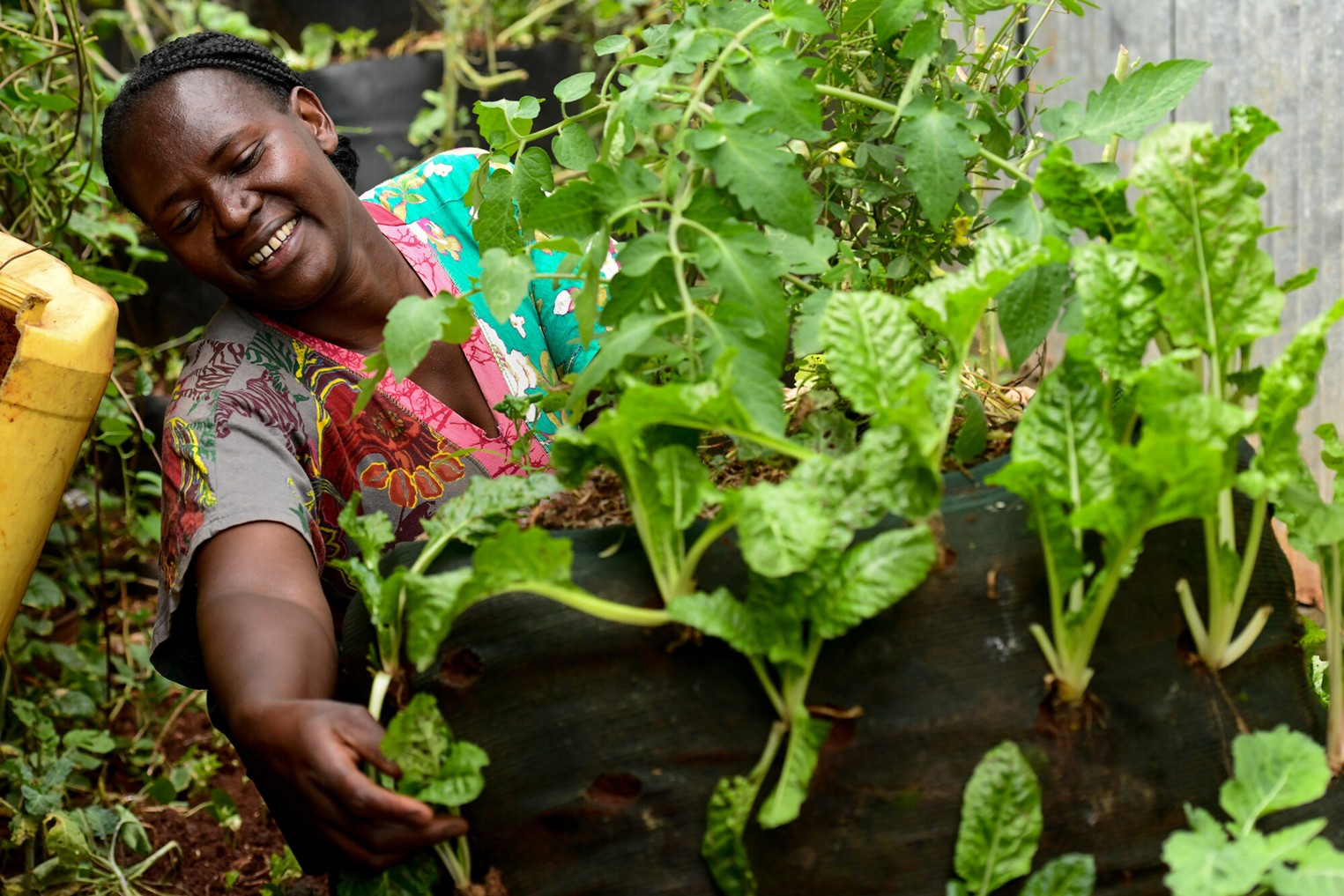
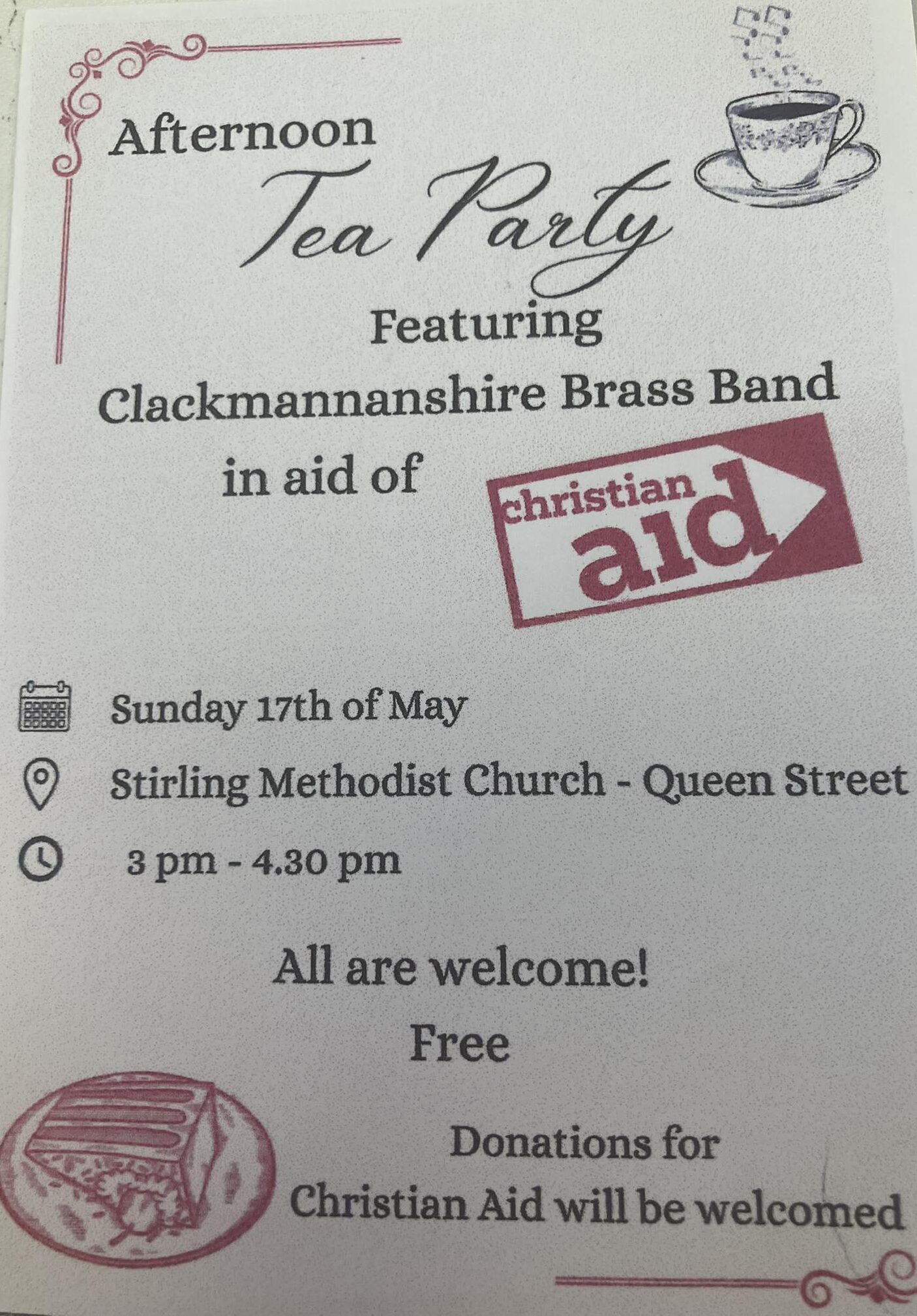
Christian Aid Week 2026
Christian Aid Week 2026 runs from 10th-16th May.
Every year people across Scotland give, act, and pray to support the work of Christian Aid and to stand with our global neighbours. This year’s Christian Aid Week is focused on Nairobi, Kenya, where families are working hard to beat urban poverty and hunger.
There are many ways you can take part
- Fundraise with friends, family, colleagues or your community.
- Take part through your church with worship, prayer and events.
- Volunteer locally to support Christian Aid Week activities.
- Give online or through collections.
- Get involved with their latest campaign action – Stand With Kenya.
Head to the Christian Aid Website to find out more and watch this year’s campaign video below.
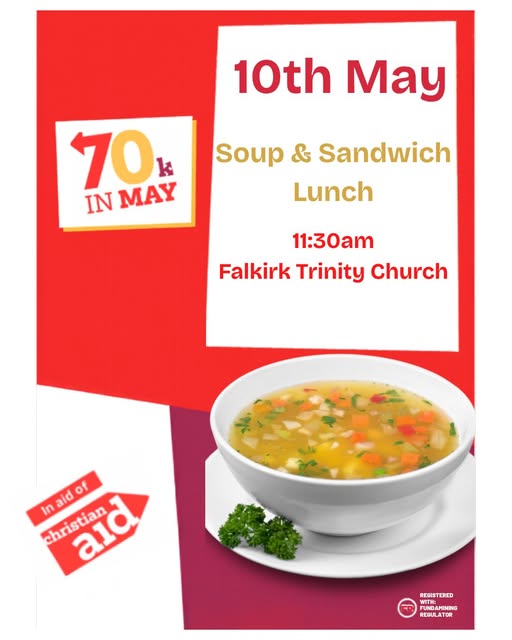
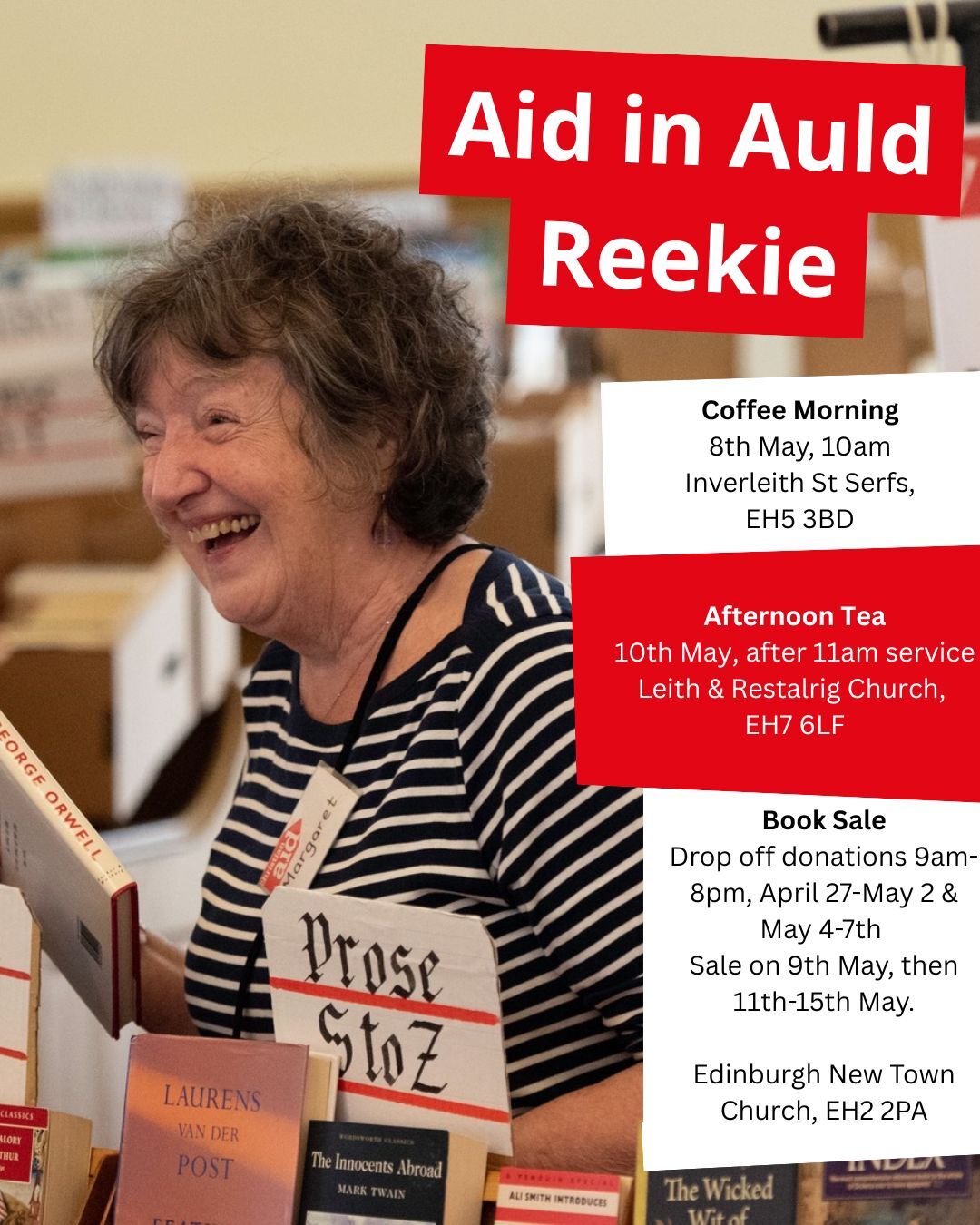
Below are just some of the events happening in Eco-Congregations. If you are hosting an event, let us know so that we can share it with others.



Prayer For Santa Marta
PRAYER FOR SANTA MARTA
Christ,
who made creatures our teachers;
who shared the habitat of wild things
to resist the deadly wisdom
of disconnection delay and greed,
of injustice which wounds God’s Earth….
Christ,
Bless and inspire every committed gathering
which reads the signs and breaks the chains ;
of the devil’s muddling veto on “yes” and “no”
in the clear light of your New Day.
Bless the resolve of those who have gathered
for the ‘amen’- the realisation – of a clean and just world
Christ
who called for change of heart and mind
that God’s Rule might more swiftly approach:
liberate us all with love and courage;
your medicine, both against despair
and white lies of complacency.
God, Christ, Wild Wind,
spread the green news of hope and clarity
strengthen the speech of those who share
and always:
help us live to listen love and protect
the Creation we are, the flesh you share:
in Jesus’ name
Amen [Get on with it!]
Rev David Coleman . EcoCongregation Scotland Scottish Charitable Incorporated Organisation (SCIO)
regulated by the Scottish Charity Regulator (OSCR), Scottish Charity number: SC041287
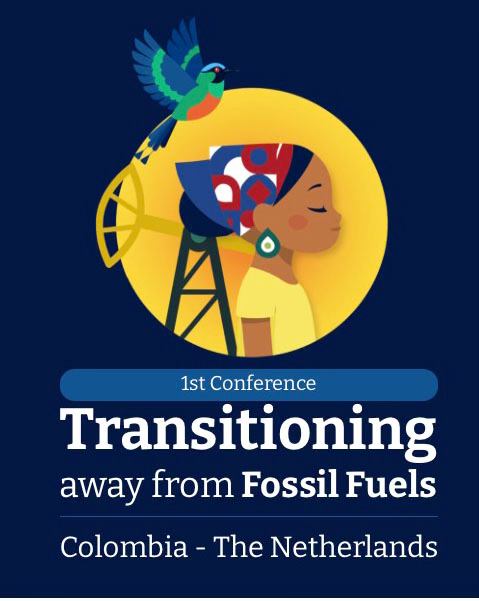
Colombia host the First Conference on Transitioning Away from Fossil Fuels, 24th April – 29th April 2026